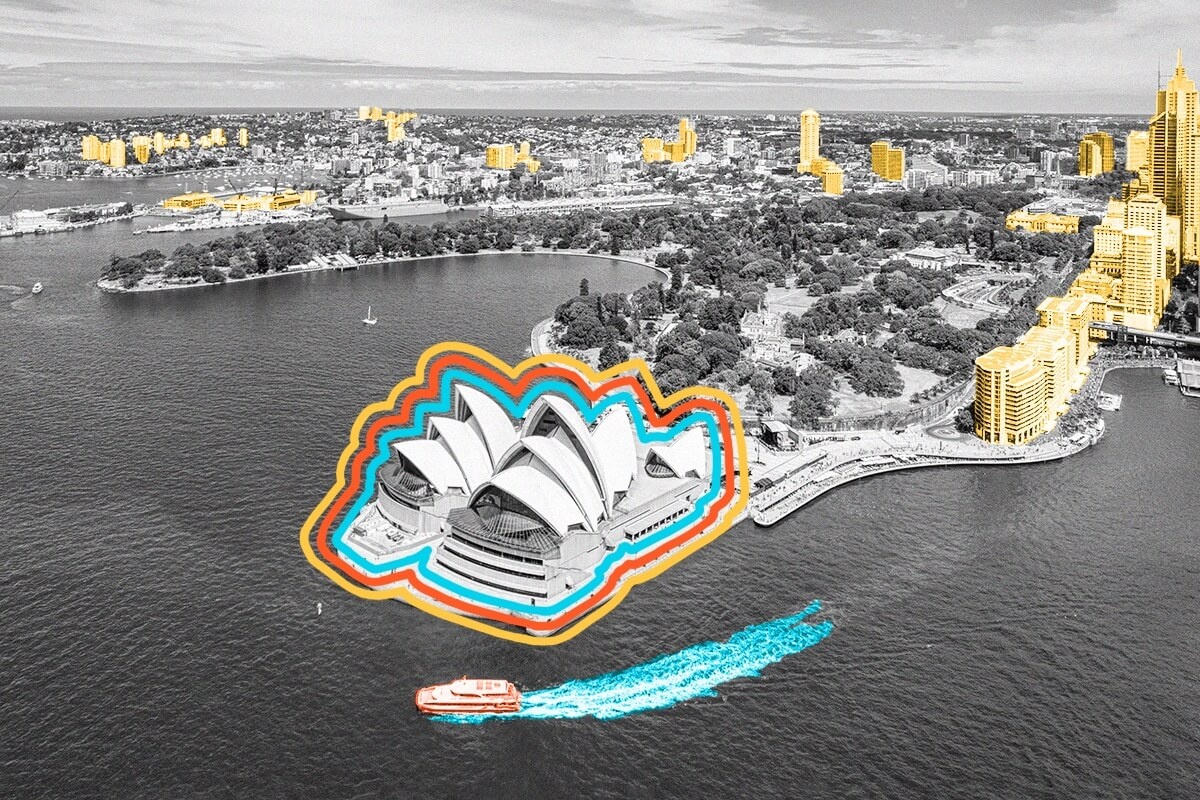
Thailand used to be called Siam, Ethiopia was once known as Abyssinia, and Australia was initially christened New Holland when Dutch navigators “discovered” it in the 17th century. The Land Down Under received its current English name courtesy of British explorer Matthew Flinders, the first to circumnavigate the continent, who made a hand-drawn map referring to it as Australia a year later in 1804. Britain formally adopted that name for the country in 1824, and by the end of the 1820s it was widely used.




Oops, incorrect!
It’s a factAs of 2026, Australia has a population of 27.9 million, unless you’re talking about kangaroos, in which case the number is higher — upwards of 42.7 million as of 2019. Though considered a pest by some who regularly encounter the marsupials, “roos” remain one of the country’s most enduring symbols.
For centuries, European cartographers had referred to the land as Terra Australis Incognita (Unknown South Land). They believed there was a massive, uncharted landmass somewhere in the Southern Hemisphere, even if they didn’t yet know the details. Of course, Australia’s Indigenous people have inhabited the continent for more than 50,000 years — or by their own account, since the beginning of time.

Australia’s smallest state by both area and population is ______.
Ready to reveal?
Confirm your email to play the next question?