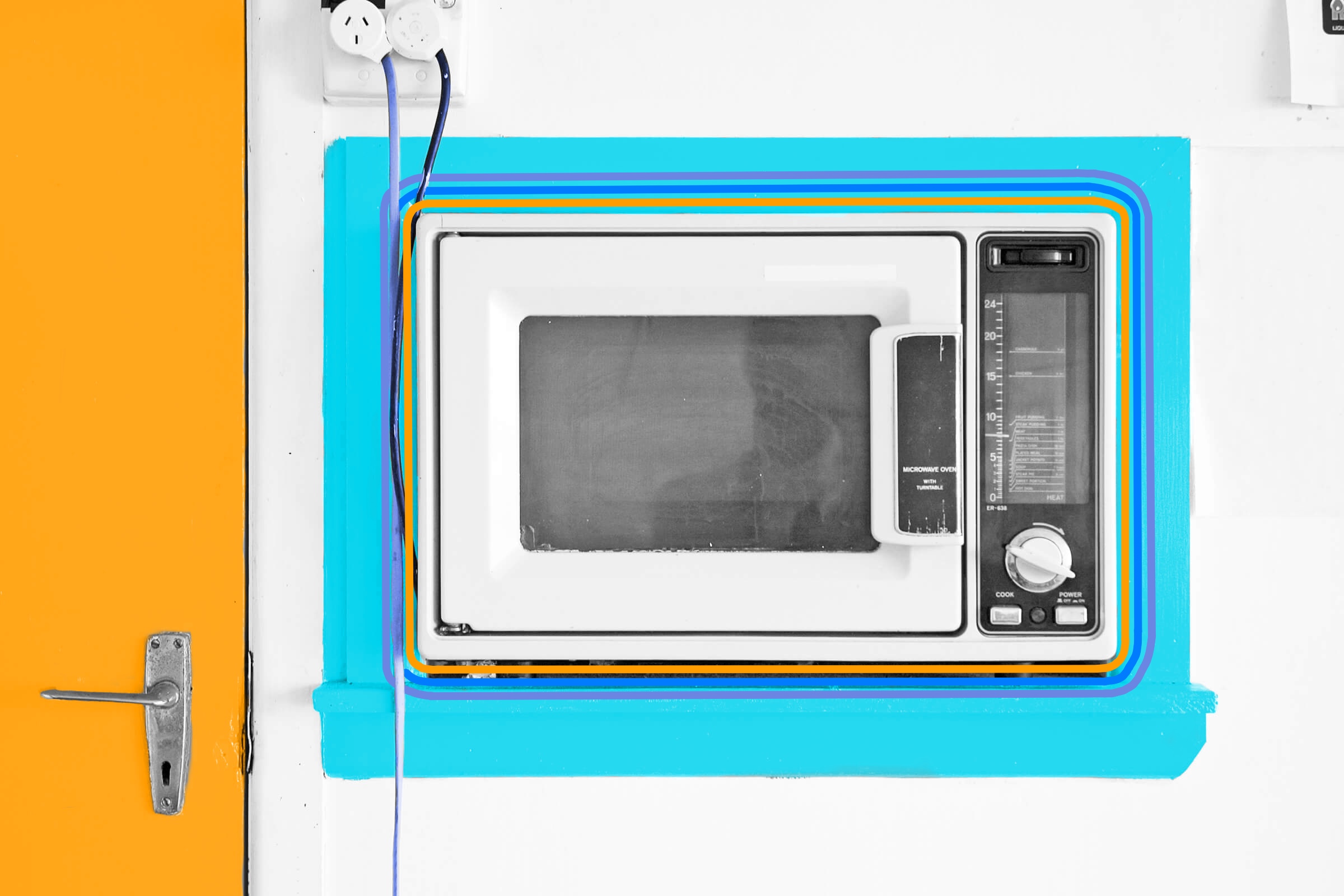
The history of technology is filled with happy accidents. Penicillin, Popsicles, and Velcro? All accidents. But perhaps the scientific stroke of luck that most influences our day-to-day domestic life is the invention of the microwave oven. Today, 90% of American homes have a microwave, according to the U.S. Bureau of Labor Statistics, but before World War II, no such device — or even an inkling of one — existed.




Oops, incorrect!
It’s a fibAlthough Belgium is now known for chocolate, the story of the sweet stuff begins in Mexico. Around 1900 BCE, the Mokaya, a pre-Olmec civilization, was likely the first to turn the cacao plant into chocolate. However, they consumed it as a drink — chocolate bars arrived much later.
During the war, Allied forces gained a significant tactical advantage by deploying the world’s first true radar system. The success of this system increased research into microwaves and the magnetrons (a type of electron tube) that generate them.
One day circa 1946, Percy Spencer, an engineer and all-around magnetron expert, was working at the aerospace and defense company Raytheon when he stepped in front of an active radar set. To his surprise, microwaves produced from the radar melted a chocolate bar (or by some accounts, a peanut cluster bar) in his pocket. After getting over his shock — and presumably cleaning up — Spencer conducted a few more experiments using eggs and popcorn kernels, and he realized that microwaves could be used to cook a variety of foods. Raytheon patented the invention a short time later, and by 1947, the company had released its first microwave oven. It took decades for the technology to improve, and prices to drop, before microwaves were affordable for the average consumer, but soon enough they grew into one of the most ubiquitous appliances in today’s kitchens.

The first microwave oven was called the ______ and weighed 750 pounds.
Ready to reveal?
Confirm your email to play the next question?